Core Service Problem-Solving
Converting Grass to Desert Gravel: How to Maximize City of Mesa Landscape Water Rebates
By the YardGuy4Hire crew·October 14, 2024·8 min read
Licensed, insured desert landscapers serving Mesa & the Valley since 2018.
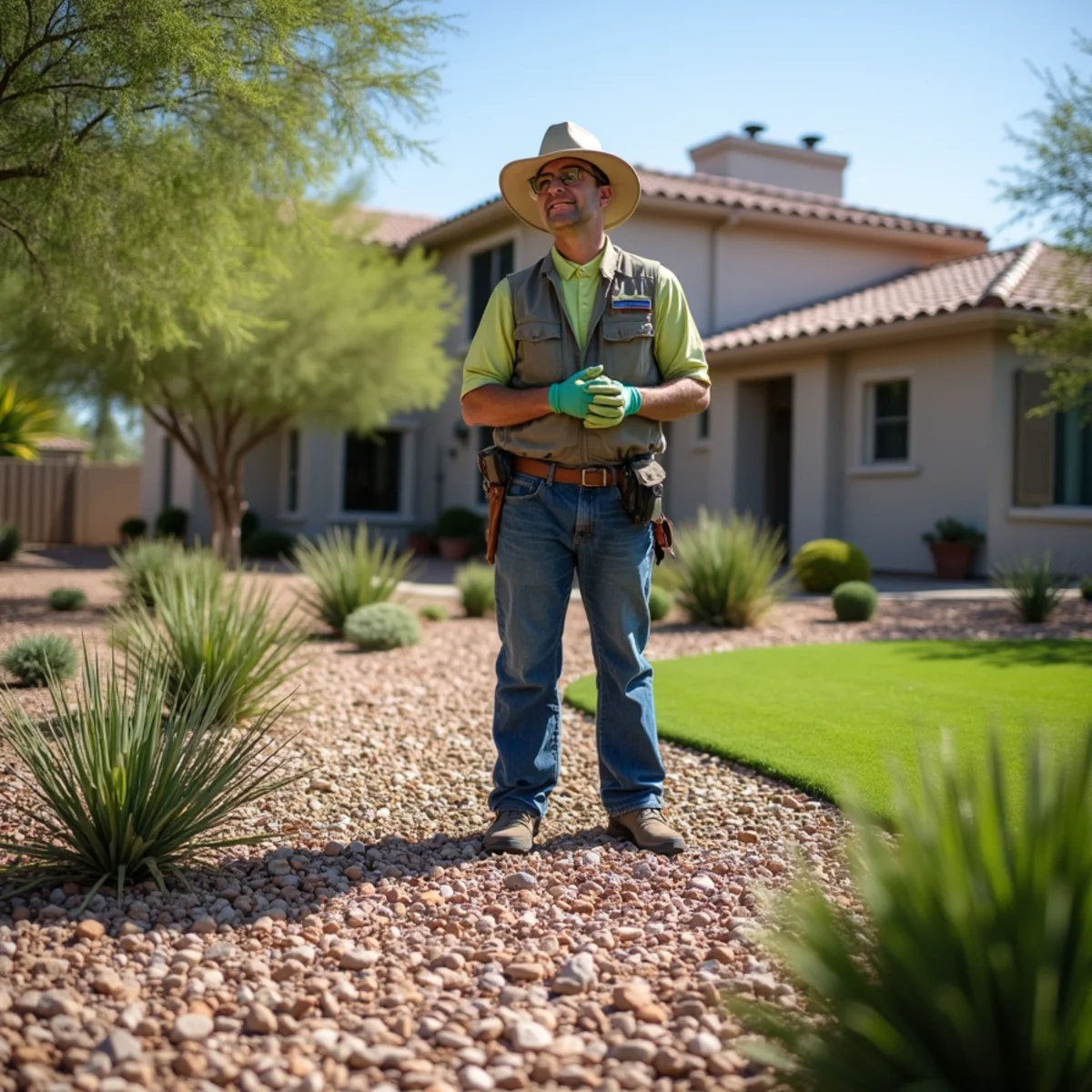
How to plan a grass-to-gravel xeriscape conversion in Mesa in a way that positions you well for local water conservation incentive programs.
Water rates and conservation awareness across the Valley have pushed a steady wave of Mesa homeowners to convert front and back lawns to desert gravel landscaping. Beyond the water savings, a well-designed gravel and decomposed granite yard cuts down dramatically on mowing, fertilizing, and the general maintenance grind of keeping Bermuda or fescue alive through an Arizona summer. If you're considering a Mesa grass to xeriscape conversion, planning the project correctly from the start matters, both for the end result and for positioning yourself to take advantage of any water conservation rebate or incentive programs active at the time of your project.
Why Grass-to-Gravel Conversions Save Water
A mature lawn in the Phoenix metro can require substantially more irrigation water per square foot than desert landscaping with drought-tolerant plants and gravel or decomposed granite groundcover. Removing grass and replacing the irrigation with a drip system for select plants, rather than broadcast spray heads watering an entire lawn area, is where most of the real savings come from — it's not just about removing the grass itself, it's about switching the entire watering method.
Planning Your Conversion Project
1. Check Current Rebate and Incentive Programs
Water utility rebate programs and terms change over time, so before finalizing your project scope, check directly with your water provider (which may be the City of Mesa or a different provider depending on your specific address) for current program requirements, rebate amounts, and any pre-approval steps needed before work begins. Many programs require photos or an application submitted before the conversion starts, so this step needs to happen early, not after the gravel is already down.
- Confirm whether pre-project photos or an application are required before work begins
- Ask about minimum square footage requirements to qualify
- Confirm what plant and groundcover materials qualify under the program's rules
- Ask whether drip irrigation conversion is required as part of qualifying for the rebate
- Get the rebate terms in writing so your contractor can plan the project to meet them
Rebate program terms and availability change periodically. Confirm current requirements directly with your water provider before starting demolition, since many programs require documentation from before the project begins.
2. Remove Grass and Old Irrigation Correctly
Simply covering grass with gravel without removing the root system and old sprinkler infrastructure often leads to grass growing back through the gravel and old spray heads creating uneven watering under the new design. A proper conversion removes the sod, caps or repurposes the old irrigation lines, and grades the area before any groundcover goes down.
3. Convert to Drip Irrigation
Since gravel and decomposed granite areas don't need broadcast spray coverage, converting remaining plant material to drip irrigation is both a major water-saving step and typically a requirement for most conservation rebate programs. A drip conversion delivers water directly to each plant's root zone rather than watering the entire surface area, which cuts evaporation loss significantly in our climate.
4. Choose Plant Material and Groundcover
- Decomposed granite or gravel groundcover, chosen in a color and size that complements your home's exterior
- Drought-tolerant, desert-adapted plants like agave, red yucca, and desert marigold for color and structure
- Strategic tree placement for shade, which reduces cooling costs on the house and adds visual interest without a lawn
- Weed barrier fabric under the gravel, installed correctly, to reduce long-term weed pressure
Common Mistakes That Cost Rebate Eligibility or Money
- Starting demolition before confirming what documentation the rebate program requires
- Skipping proper grading, leading to pooling water in the new gravel bed
- Using the wrong weed barrier fabric weight, leading to premature weed breakthrough
- Not converting old spray irrigation to drip, missing a common rebate requirement and continuing to overwater the remaining plants
- Choosing plant material that isn't actually low-water once you dig into its mature size and requirements
Take before-and-after photos of your entire project regardless of rebate requirements — even if a program doesn't require them today, they're useful documentation if you sell the home or apply for a different incentive later.
Estimated Cost Range
As a planning estimate, a full grass-to-xeriscape conversion including sod removal, grading, drip conversion, plant material, and gravel or decomposed granite typically runs in the range of $5-15 per square foot depending on plant density and design complexity, with decomposed granite alone (without plant additions) often falling in the $1.50-4 per square foot range. Actual pricing depends heavily on site access, existing irrigation condition, and design choices.
Get Your Conversion Planned Right
YardGuy4Hire handles full grass-to-gravel and drip irrigation conversions across Mesa and Tempe, and we're familiar with the documentation most local water conservation programs expect. Call (323) 606-0255 to plan your project so it's designed correctly from day one, whether or not a specific rebate applies to your address.
How YardGuy4Hire can help
Frequently Asked Questions
Does the City of Mesa currently offer a rebate for converting grass to xeriscape?
Program availability and terms change over time, so check directly with your water provider for current details before starting your project, since requirements may include pre-project documentation.
Do I have to convert to drip irrigation to qualify for a rebate?
Many conservation programs require or strongly favor drip irrigation as part of qualifying, but exact requirements vary by program and change periodically. Confirm directly with your provider.
How much water does a grass-to-gravel conversion actually save?
Savings vary by lawn size, previous irrigation habits, and the new design, but desert landscaping with drip irrigation for select plants uses substantially less water than a traditional lawn on broadcast spray irrigation.
Can I keep some grass and convert only part of the yard?
Yes, partial conversions are common, especially converting a front yard while keeping a smaller backyard turf area for kids or pets. Just confirm how partial conversions are treated under any rebate program you're applying to.
How long does a typical grass-to-gravel conversion take?
A standard residential front yard conversion, including sod removal, grading, drip conversion, and gravel installation, typically takes 3-6 days depending on size and design complexity.
Trusted Arizona Resources
For water, drought, plant, and licensing guidance, we point Mesa homeowners to the same authoritative sources we rely on:
Need a hand from a local pro?
YardGuy4Hire is a licensed, insured, family-run crew serving Mesa and the whole Valley. Call for a free, honest estimate.
(323) 606-0255