Prevention & Maintenance
The Ultimate Arizona Spring Desert Yard Cleanup Checklist: Pre-Emergent & Pruning
By the YardGuy4Hire crew·January 13, 2025·9 min read
Licensed, insured desert landscapers serving Mesa & the Valley since 2018.
A complete spring checklist for Arizona desert yards covering pre-emergent weed control, tree pruning timing, irrigation checks, and bed cleanup.
Spring is the single most important maintenance window for an Arizona desert yard, because the decisions made in February and March — pre-emergent timing, pruning before storm season, and irrigation adjustments before summer heat arrives — set the tone for how the yard performs through the toughest months of the year. This spring desert landscaping checklist for Arizona covers the tasks that actually move the needle, in the order they should happen.
1. Apply Pre-Emergent Weed Control at the Right Time
Pre-emergent herbicide only works if it's down before weed seeds germinate, which means timing matters more than the product itself. In the Phoenix metro, summer annual weeds (like spurge and pigweed) typically start germinating as soil temperatures warm in spring, so pre-emergent applications generally need to go down in late winter to very early spring, before that germination window opens.
- Apply before soil temperatures consistently reach the germination threshold for summer weeds, generally late February through March in most of the Valley
- Water in the product as directed on the label, since most pre-emergents need to be activated with irrigation or rainfall to form an effective barrier
- Avoid disturbing the treated soil surface afterward (heavy raking, digging) since it can break the herbicide barrier and let weeds through
- Reapply according to the product's labeled duration if you're managing a long growing season with multiple weed flushes
Pre-emergent doesn't kill existing weeds — it's a preventive barrier. Any weeds already visible in late winter need to be manually removed or treated with a post-emergent product before or alongside the pre-emergent application.
2. Prune Before the Growing Season Ramps Up
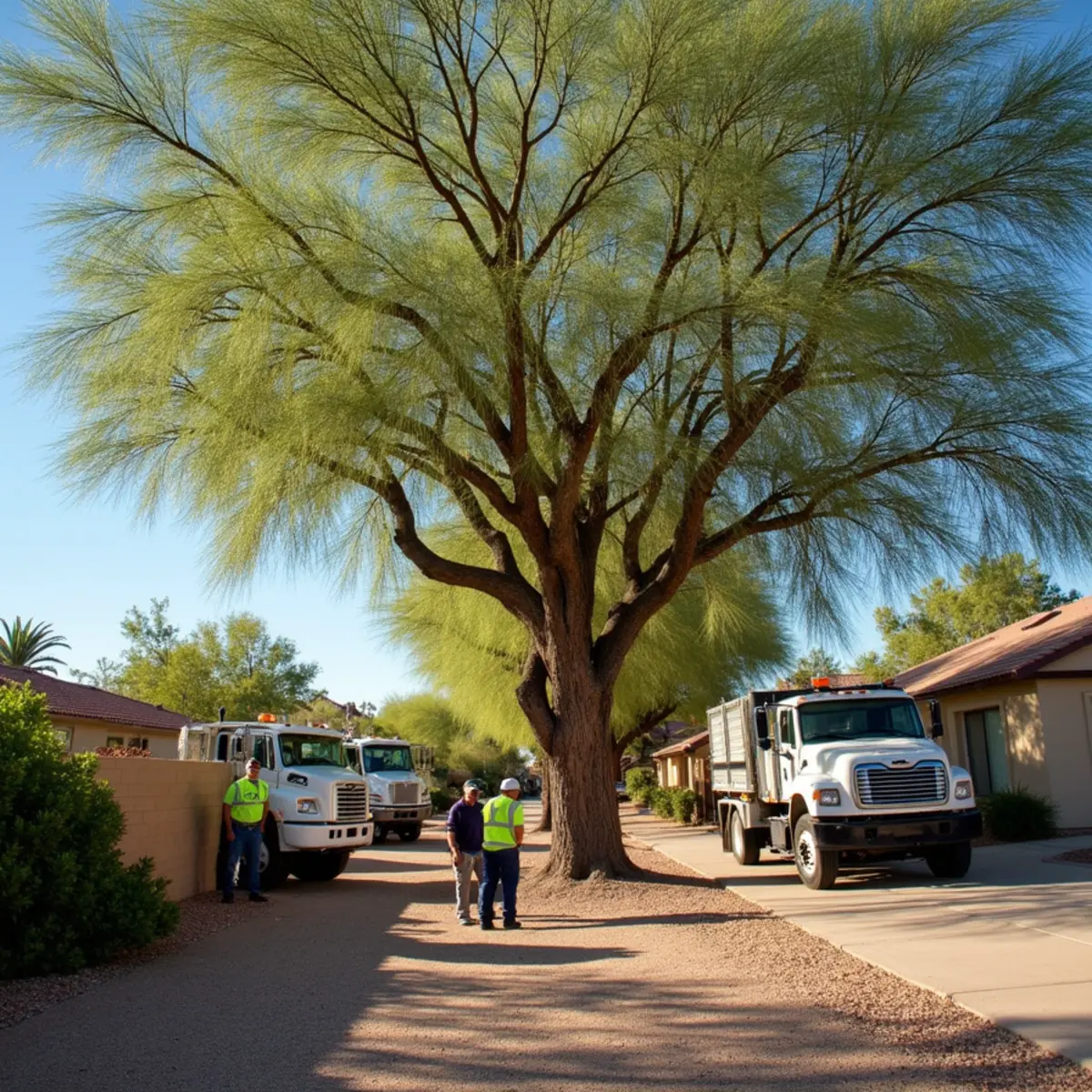
Spring is a good window for structural pruning on many desert trees and shrubs, ideally completed before both the intense summer heat and before monsoon season arrives. This is also the time to address any storm-vulnerable canopy density on palo verdes and mesquites, since waiting until June puts you right at the start of storm season with an untreated tree.
- Thin dense canopies on palo verde and mesquite trees to reduce wind-catching surface area before monsoon season
- Remove dead, damaged, or crossing branches on all woody shrubs and trees
- Shape flowering shrubs after their bloom cycle if pruning too early would remove the season's flower buds
- Avoid heavy pruning on cold-sensitive plants until frost risk has fully passed for your specific area
3. Inspect and Adjust Irrigation Before Summer Demand
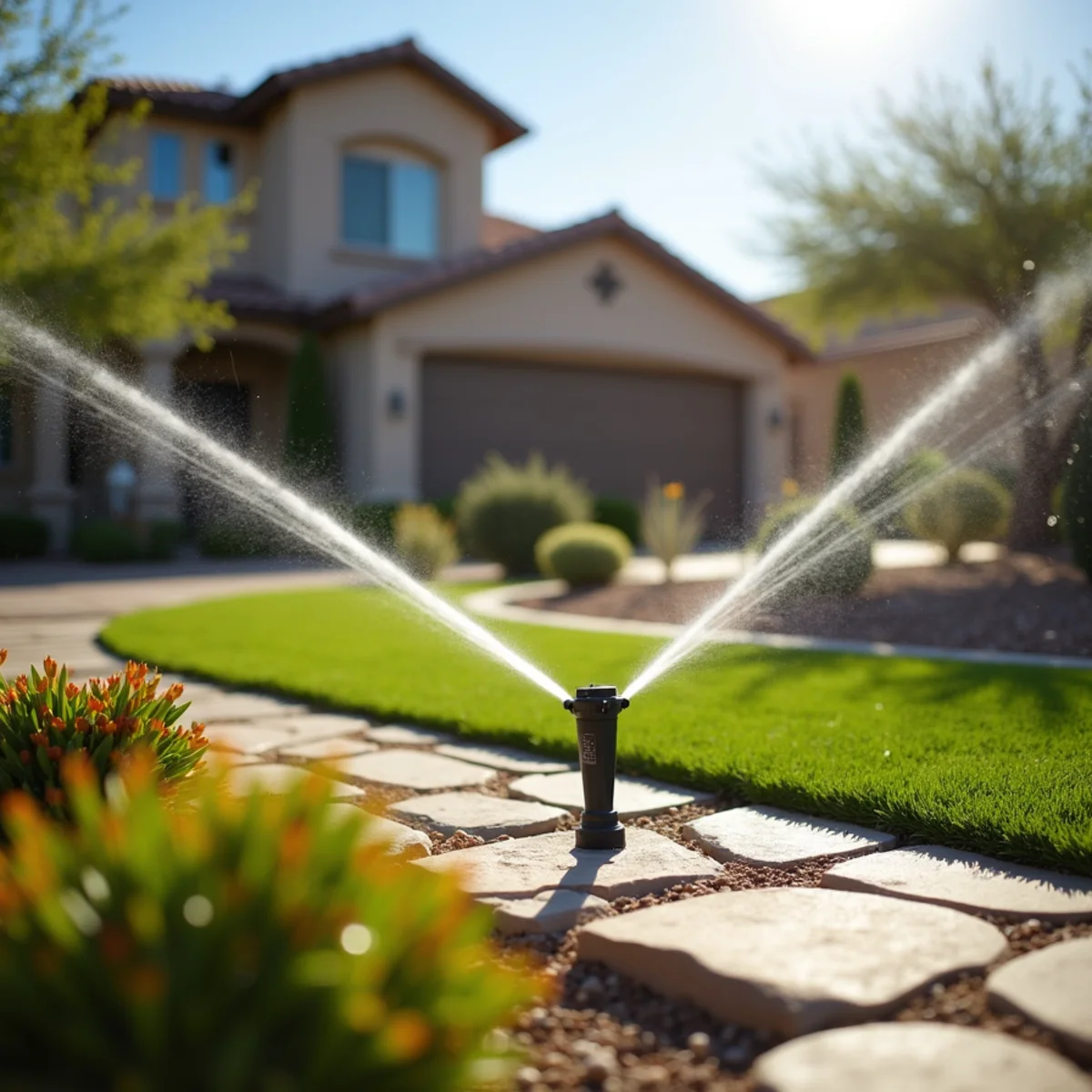
Spring is the ideal time to catch irrigation problems before summer heat makes any inefficiency dramatically more costly and more damaging to plants. A leak or clogged emitter that's a minor annoyance in March becomes a dead plant and a wasted-water problem in July.
- Run each irrigation zone manually and walk the line checking for leaks, clogged emitters, and broken spray heads
- Adjust the controller's run times upward gradually as temperatures rise, rather than jumping straight to peak-summer settings in March
- Check drip line filters and clean or replace them if flow seems reduced
- Confirm the system's rain sensor or smart controller settings are working correctly heading into the wetter parts of spring
4. Refresh Gravel and Decomposed Granite Beds
Wind and monsoon runoff gradually displace gravel and decomposed granite over the year, thinning coverage in some spots and creating drifts in others. Spring is a good time to rake beds level, top-dress thin areas, and check that weed barrier fabric underneath hasn't been exposed or damaged, since exposed fabric both looks poor and lets weeds establish more easily.
5. Check Hardscape and Drainage Before Monsoon Season
- Inspect paver patios and walkways for any settling or joint sand loss over winter
- Clear debris from area drains, channel drains, and block wall weep holes
- Confirm grading around the foundation still slopes water away, since gravel and soil can shift subtly over a year
- Address any of these issues now, well before the first monsoon storm tests them under real conditions
A 30-minute walk-through checking drains and weep holes in spring is far less disruptive than discovering a clogged drain during an active monsoon downpour.
6. Assess Cacti and Succulents for Winter Damage
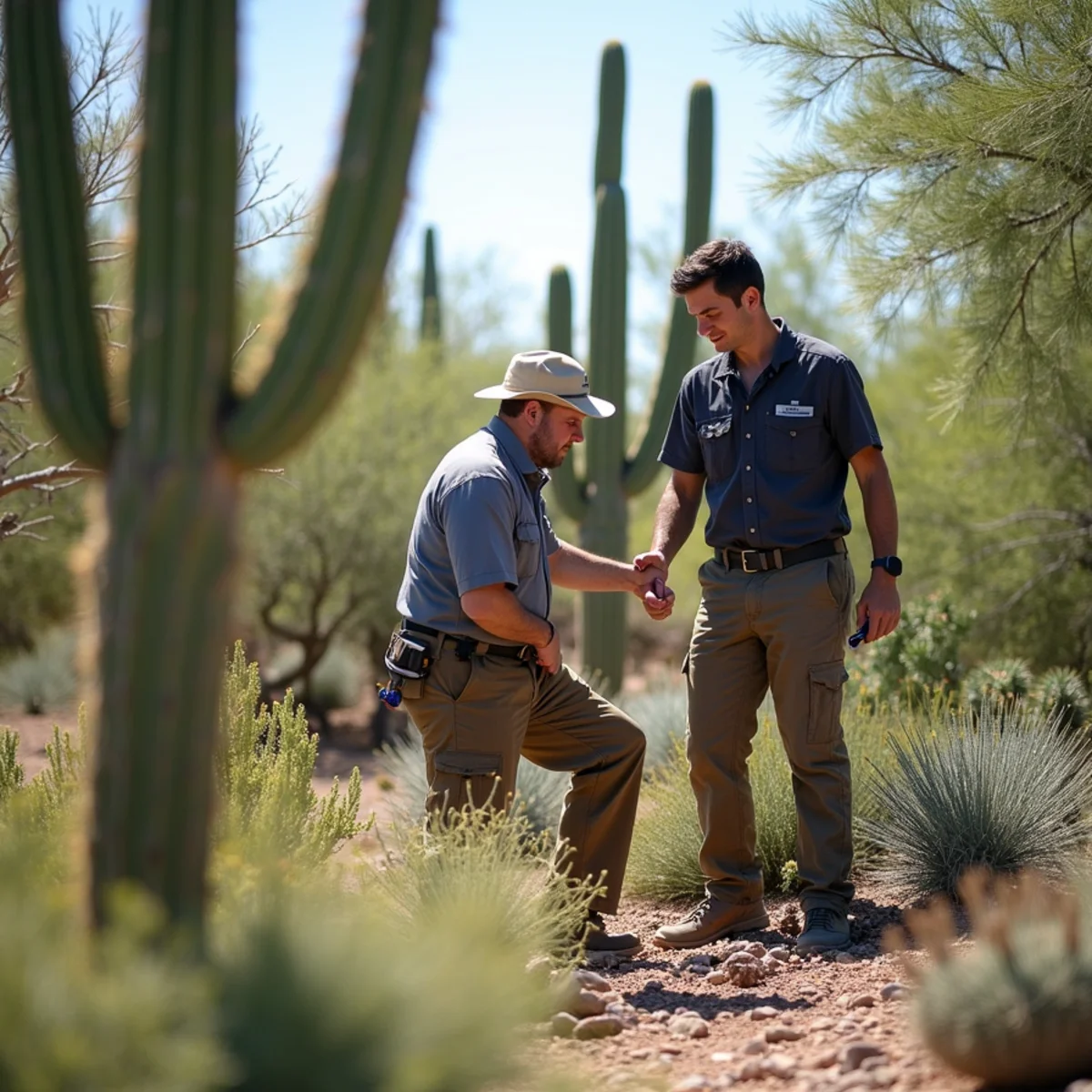
Even a mild Arizona winter can leave frost damage on sensitive cacti and succulents, showing up as discoloration, soft or mushy tissue, or lesions that weren't visible until growth resumed in spring. Catching this early and addressing damaged tissue before it spreads into a larger infection issue protects the plant's long-term health.
Putting It All Together
None of these tasks are individually complicated, but doing them in the right order and at the right time — pre-emergent before germination, pruning before storm season, irrigation checks before peak heat — is what separates a yard that sails through summer from one that's constantly playing catch-up. For homeowners who'd rather not track six separate timing windows themselves, a single spring service visit covering all of these items is often the most efficient approach.
YardGuy4Hire provides comprehensive desert landscape maintenance across Mesa and Peoria, including spring pre-emergent application, structural pruning, and irrigation and drainage checks in a single visit. Call (323) 606-0255 to schedule your spring cleanup before the season gets away from you.
How YardGuy4Hire can help
Frequently Asked Questions
When should pre-emergent weed control be applied in Arizona?
Generally late February through March across most of the Phoenix metro, before soil temperatures reach the germination threshold for summer annual weeds. Exact timing can shift slightly year to year based on temperature trends.
Is spring a good time to prune all desert trees?
Spring works well for most structural pruning, especially storm-prep thinning on palo verdes and mesquites, but timing can vary by species and whether frost risk has fully passed in your specific area.
How much should I increase irrigation run times heading into summer?
It depends on plant type and zone, but a gradual increase starting in spring, rather than jumping straight to peak-summer settings, gives plants time to adjust and helps you catch leaks or clogs before demand peaks.
What does frost damage on a cactus actually look like?
Common signs include discoloration (yellowing, browning, or blackening), soft or mushy tissue, and sunken lesions that may not become fully visible until growth resumes in spring.
Can I do all of this spring checklist myself, or does it need a professional?
Many items are DIY-friendly for a motivated homeowner, but pre-emergent timing, irrigation diagnostics, and structural pruning benefit from professional experience, especially if you want it all done correctly in one coordinated visit.
Trusted Arizona Resources
For water, drought, plant, and licensing guidance, we point Mesa homeowners to the same authoritative sources we rely on:
Need a hand from a local pro?
YardGuy4Hire is a licensed, insured, family-run crew serving Mesa and the whole Valley. Call for a free, honest estimate.
(323) 606-0255