Prevention & Maintenance
Fall Landscape Tune-Up in the Valley: Resetting Irrigation Timers for Cooler Months
By the YardGuy4Hire crew·January 27, 2025·7 min read
Licensed, insured desert landscapers serving Mesa & the Valley since 2018.
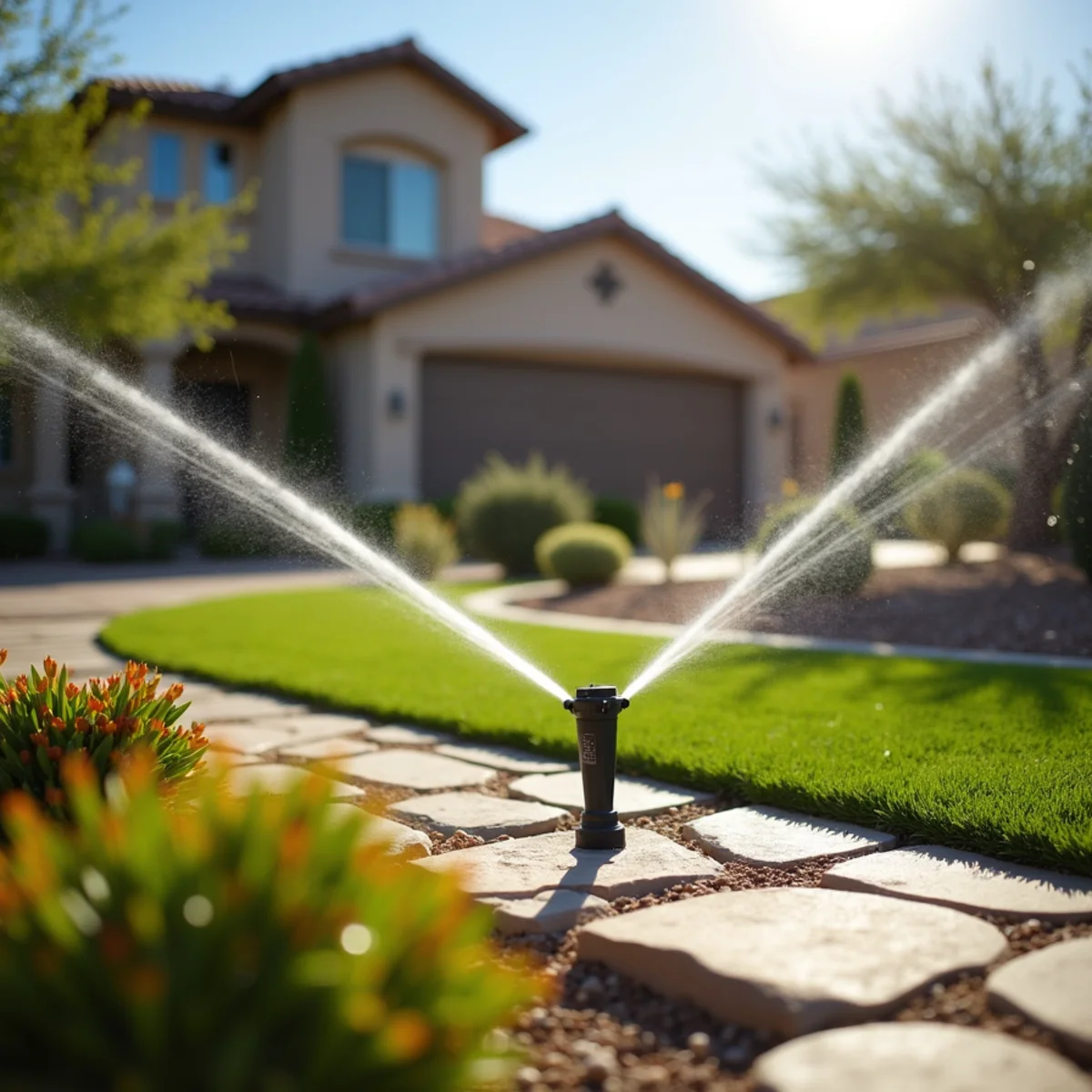
Why fall irrigation timer adjustments matter as much as spring ramp-ups in Arizona, and how to reset run times and frequency for cooler months.
Every spring, Valley homeowners remember to bump up their irrigation run times as summer heat arrives. Far fewer remember to do the reverse in fall, which means a huge number of East Valley yards spend October through December being watered on a schedule built for 110-degree July afternoons. Fall irrigation timer adjustment in Arizona isn't just about saving water — overwatering during cooler months causes real plant health problems, from root rot to increased disease pressure, on top of the wasted water cost.
Why Fall Adjustment Matters as Much as Spring Ramp-Up
Plant water demand in the Valley drops significantly as temperatures cool and days shorten in fall. A drip zone or spray zone running on a summer schedule into November is delivering far more water than plants actually need, and in Arizona's slow-draining or caliche-affected soils, that excess water has nowhere to go except sitting in the root zone, creating exactly the kind of anaerobic, disease-prone conditions that stress or kill plants that would otherwise handle the season fine.
- Overwatering in cooler months increases risk of root rot, especially in poorly draining or caliche-affected soil
- Excess soil moisture combined with cooler temperatures creates favorable conditions for certain fungal diseases
- Continuing summer-level watering wastes a meaningful amount of water and money over several months for no plant health benefit
- Some desert-adapted plants specifically prefer a drier dormant period in cooler months and can be harmed by continued heavy watering
How to Reset Your Controller for Fall
- Reduce watering frequency first — many zones that ran daily or every other day in summer can shift to twice a week or even weekly as temperatures drop
- Reduce run time duration per cycle as a second adjustment, especially for drip zones watering established, deep-rooted plants
- Adjust each zone independently rather than applying one blanket change, since turf, drip-irrigated shrubs, and trees all have different seasonal water needs
- If your controller has a seasonal adjustment or 'water budget' percentage feature, use it to scale the whole schedule down without reprogramming every zone individually
- Recheck after the first cooler snap in October or November and again after any significant rain event, since natural rainfall reduces irrigation need temporarily
If your controller has a rain sensor or smart weather-based adjustment feature, fall and winter are when it earns its keep — confirm it's actually functioning and not just installed but ignored, since a malfunctioning sensor defeats the purpose entirely.
Different Zones Need Different Fall Adjustments
Turf Areas (Especially if Overseeded)
If you've overseeded with winter rye, the newly germinating rye grass actually needs more frequent (though typically shorter) watering during its establishment period in fall, even as the underlying dormant Bermuda needs less. This is a case where fall adjustment isn't simply 'water less' — it's a shift in pattern, not just volume, timed around the overseed establishment window.
Drip-Irrigated Shrubs and Trees
Established desert shrubs and trees on drip irrigation typically see the biggest opportunity for run-time reduction in fall, since their water demand drops substantially as growth slows with cooler temperatures and shorter days.
Newly Planted Material
Anything planted within the last year still needs more consistent moisture to establish its root system than a fully mature plant, so don't apply the same aggressive fall reduction to recent plantings that you would to an established landscape.
Signs Your Fall Schedule Still Needs Adjustment
- Standing water or soggy soil that doesn't dry out between irrigation cycles
- Yellowing leaves or leaf drop on plants that aren't naturally deciduous for the season
- Visible fungal growth or a musty smell in mulched or gravel-covered beds
- A water bill that hasn't dropped despite cooler weather and reduced natural plant demand
Combining This With a Broader Fall Tune-Up
While you're adjusting the controller, it's an efficient time to also check for leaks, clogged emitters, and broken heads that may have developed over the busy summer watering season, since you're already walking each zone as part of the adjustment process. Catching a small leak in fall, rather than letting it run all winter on a reduced-but-still-active schedule, prevents unnecessary water waste over several months.
Quick tip: write down your fall settings for each zone once you've dialed them in — it makes next year's fall adjustment much faster since you're working from a known baseline instead of guessing from scratch.
Get Your Fall Irrigation Tune-Up Done Right
A proper fall irrigation timer adjustment protects plant health and saves real money over several months of reduced-demand weather. YardGuy4Hire provides full irrigation valve and sprinkler service across Mesa and Surprise, including seasonal timer adjustments as part of a broader fall landscape tune-up. Call (323) 606-0255 to get your system dialed in for the cooler months ahead.
How YardGuy4Hire can help
Frequently Asked Questions
How much should I reduce irrigation run times in fall compared to summer?
It varies by plant type and zone, but many established zones can see a meaningful reduction in both frequency and duration. The right amount depends on soil type, plant maturity, and actual weather conditions, so gradual adjustment with monitoring works better than a fixed formula.
Should I turn off irrigation entirely once temperatures cool down?
Generally no, most Valley landscapes still need some irrigation through fall and winter, just at reduced frequency and duration. Completely shutting off water can stress plants that still need periodic moisture even in cooler months.
Does overseeding with winter rye change how I should adjust irrigation?
Yes, newly seeded rye needs more frequent, shorter watering during its germination and establishment period, which is a different adjustment than simply reducing overall watering for the dormant Bermuda underneath.
What happens if I forget to reduce irrigation in fall?
Continued summer-level watering into cooler months increases the risk of root rot, fungal disease, and wasted water, especially in slow-draining or caliche-affected soil where excess moisture has nowhere to go.
Is it worth getting a smart irrigation controller for seasonal adjustments?
Smart controllers that adjust based on local weather data can reduce the manual work of seasonal adjustments, though they still benefit from periodic manual checks to confirm they're functioning correctly for your specific zones.
Trusted Arizona Resources
For water, drought, plant, and licensing guidance, we point Mesa homeowners to the same authoritative sources we rely on:
Need a hand from a local pro?
YardGuy4Hire is a licensed, insured, family-run crew serving Mesa and the whole Valley. Call for a free, honest estimate.
(323) 606-0255