Core Service Problem-Solving
Drip Irrigation Valve Troubleshooting: Identifying Clogged Emitters and Leaking Diaphragms
By the YardGuy4Hire crew·November 11, 2024·8 min read
Licensed, insured desert landscapers serving Mesa & the Valley since 2018.
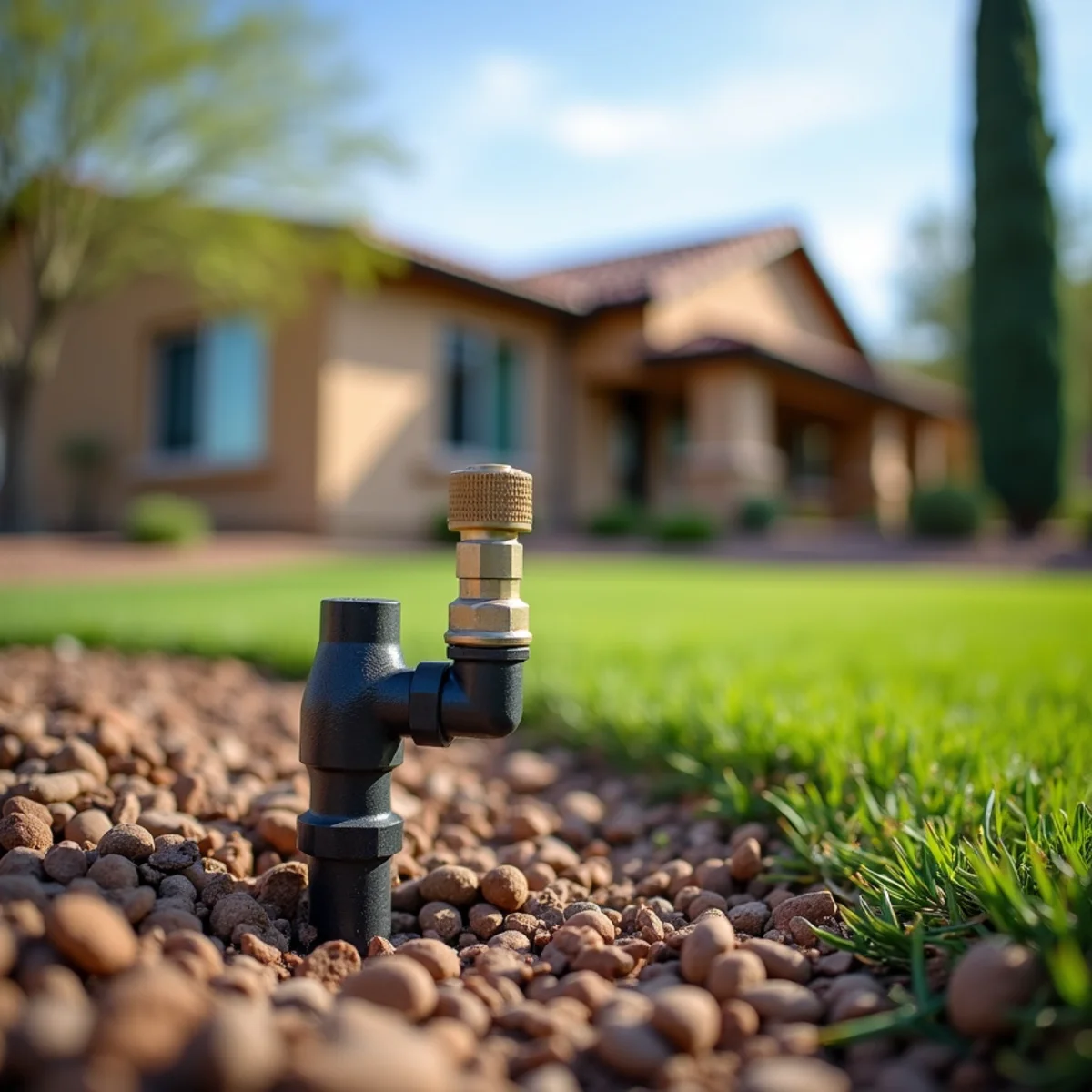
A practical troubleshooting guide for the two most common drip irrigation problems in Arizona yards: clogged emitters and failing valve diaphragms.
Two problems account for the vast majority of drip irrigation valve repair calls we get in Mesa: a zone that isn't watering the way it used to, and a valve that either won't shut off or won't turn on at all. Both are usually diagnosable without specialized tools if you know what to look for, and understanding the difference can save you a service call for something you can fix yourself, while also helping you describe the problem accurately if you do need a technician.
Problem 1: Uneven Watering or Dry Spots
If some plants on a drip zone look great while others nearby are stressed or dying, the most common cause is a clogged emitter, not a valve or timer problem. Arizona's hard water and the mineral content in our soil and water supply make emitter clogging a routine maintenance issue rather than an occasional one.
How to Check for Clogged Emitters
- Run the affected zone manually and walk the line, feeling each emitter for water flow
- Look for emitters with visible mineral buildup (a white or crusty residue) around the outlet
- Check whether the emitter's flow is a slow drip versus the expected steady trickle for that emitter's rated flow rate
- Inspect for emitters buried under mulch or soil, which can trap sediment against the outlet and accelerate clogging
- Pressure-compensating emitters resist clogging better than basic fixed-flow emitters in areas with variable water pressure
- Emitters near the end of a long drip line often clog first due to lower flow velocity carrying sediment less effectively
- A pressure-regulating filter at the valve, cleaned or replaced periodically, prevents most sediment from ever reaching the emitters in the first place
Quick tip: if you're seeing scattered clogged emitters across a zone rather than just one or two, it's worth checking the filter at the valve manifold before replacing individual emitters — a dirty filter lets sediment through to the whole line.
Problem 2: A Valve That Won't Shut Off or Won't Open
This is almost always a diaphragm issue inside the valve itself. Irrigation valves use a rubber diaphragm that flexes to open and close the water path based on pressure changes triggered by the solenoid. Over years of mineral-heavy water and Arizona heat cycling, diaphragms crack, warp, or get gunked up with debris, and the valve stops sealing correctly.
Signs of a Failing Diaphragm
- A zone that keeps trickling water even after the controller has told it to shut off
- A zone that won't turn on at all, even though the solenoid clicks when activated
- Water bubbling up around the valve box itself rather than reaching the drip lines
- A noticeable water bill increase without an obvious visible leak elsewhere
Diagnosing a Diaphragm Problem
- Turn off the irrigation system's main shutoff before opening the valve
- Open the valve body (usually a bonnet that unscrews or unclips) and remove the diaphragm assembly
- Inspect the diaphragm for cracks, warping, or debris trapped in the small bleed hole that lets the valve equalize pressure
- Clean debris from the valve body and the small ports if the diaphragm itself looks intact
- Replace the diaphragm if it's cracked, stiff, or visibly deteriorated rather than just cleaning it
A valve that clicks (you can hear the solenoid activate) but doesn't actually start or stop water flow almost always points to a mechanical diaphragm issue rather than an electrical problem with the controller or wiring.
When It's a Solenoid or Wiring Issue Instead
If a valve doesn't click at all when the zone is activated from the controller, the problem is more likely electrical — a bad solenoid, a wiring break between the controller and valve, or a controller programming issue — rather than a mechanical diaphragm problem. Testing with a multimeter at the valve and at the controller can help isolate whether the signal is reaching the valve at all before assuming it's a diaphragm issue.
Preventing Repeat Problems
- Flush drip lines periodically by opening the end caps and running water through to clear sediment before it reaches emitters
- Clean or replace valve filters on a regular schedule, especially in areas with known hard water
- Replace diaphragms proactively on aging valves (10+ years) rather than waiting for a full failure during peak summer watering
- Keep valve boxes clear of dirt and debris so lids seal properly and don't let soil work its way into the valve body
Get It Diagnosed and Fixed Correctly
Whether it's a scattering of clogged emitters or a valve that won't cooperate, drip irrigation problems tend to get worse and waste more water the longer they sit unaddressed. YardGuy4Hire provides irrigation valve and sprinkler repair across Mesa and Paradise Valley, including full drip zone diagnostics. Call (323) 606-0255 and describe what you're seeing so we can bring the right parts to the first visit.
How YardGuy4Hire can help
Frequently Asked Questions
How often should drip emitters be checked for clogging in Arizona?
A seasonal check, roughly every 3-4 months, catches most clogging before it causes visible plant stress. Hard water areas or zones with a lot of dust and debris may need more frequent checks.
Can I replace a valve diaphragm myself?
It's a moderately accessible DIY repair for a handy homeowner with the correct replacement part and the water shut off first, but getting the wrong diaphragm size or missing a small internal part is a common mistake that leads to a repeat failure.
Why does my drip zone use more water than it used to without watering better?
This pattern often points to a diaphragm that isn't sealing fully, letting water bleed through even when the zone should be off, or emitters that have failed open rather than clogged shut.
How long do irrigation valve diaphragms typically last in Arizona?
It varies with water quality and usage, but many diaphragms last 5-10 years before needing replacement. Hard water and heavy sediment can shorten that lifespan.
Is a pressure-regulating filter worth adding to an older drip system?
Often yes, especially in areas with variable water pressure or heavy sediment, since it protects the emitters downstream and reduces how often they need cleaning or replacement.
Trusted Arizona Resources
For water, drought, plant, and licensing guidance, we point Mesa homeowners to the same authoritative sources we rely on:
Need a hand from a local pro?
YardGuy4Hire is a licensed, insured, family-run crew serving Mesa and the whole Valley. Call for a free, honest estimate.
(323) 606-0255