Core Service Problem-Solving
Why Artificial Turf Gets Hot: Heat-Reducing Infill and Turf Selection for Arizona Yards
By the YardGuy4Hire crew·September 30, 2024·7 min read
Licensed, insured desert landscapers serving Mesa & the Valley since 2018.
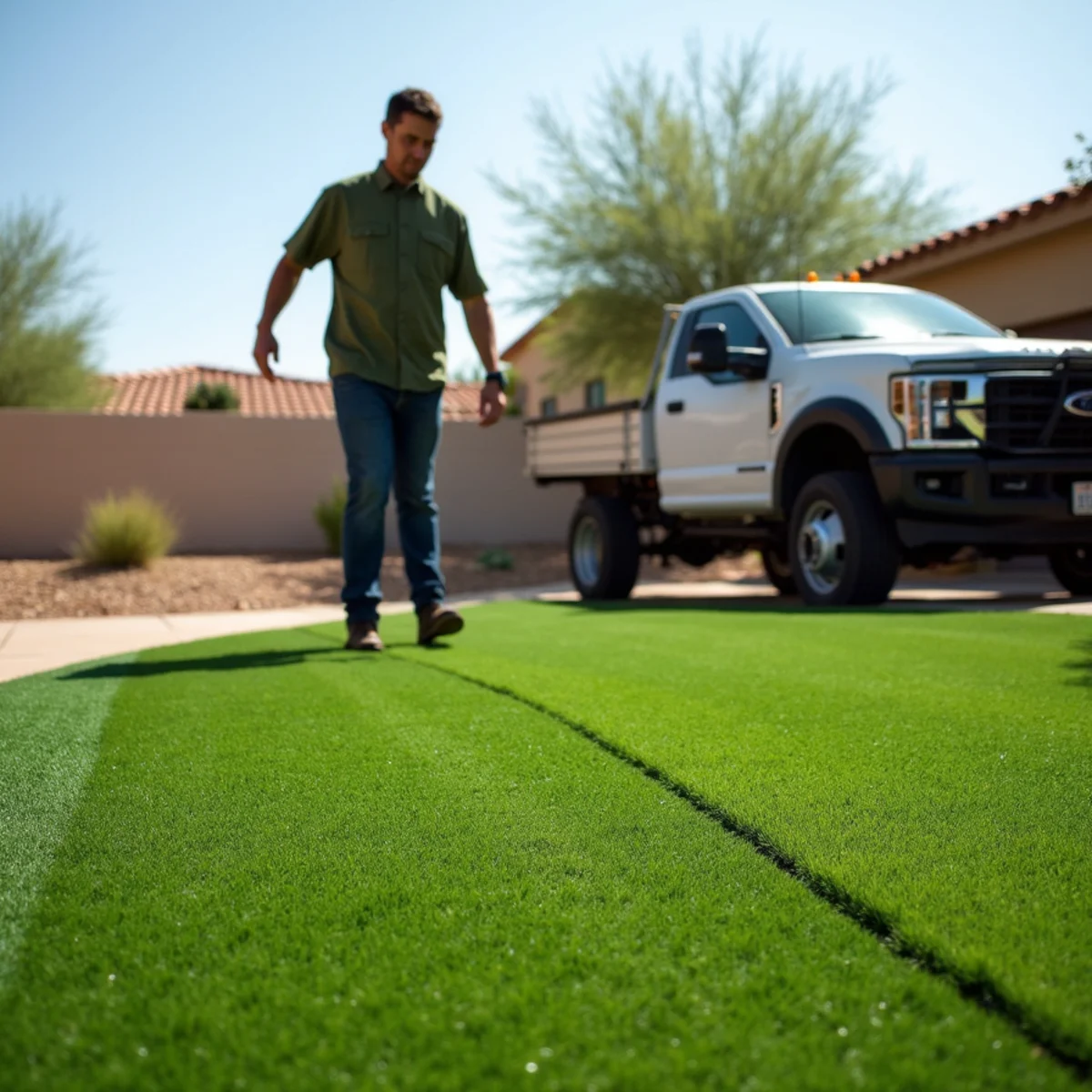
The real reasons artificial turf gets scorching hot in Arizona, and which infill materials, turf specs, and installation details actually reduce surface temperature.
Ask anyone who's installed standard artificial turf in the Valley without doing their homework, and they'll tell you the surface can hit temperatures that make it genuinely uncomfortable, sometimes even risky for bare feet or pets, on a 105-degree afternoon. This is the most common complaint we hear about turf in Arizona, and it's almost entirely preventable with the right combination of infill and turf selection, so it's worth understanding before you install rather than after.
Why Turf Gets So Hot in the First Place
Synthetic turf fibers are typically made from polyethylene or polypropylene, both of which absorb and radiate solar heat far more efficiently than natural grass, which cools itself through transpiration (the same process that makes a live lawn feel cooler even in full sun). Without that natural cooling mechanism, turf surface temperatures in direct Arizona sun can run significantly hotter than the ambient air temperature, and dark-colored infill or backing makes this worse by absorbing even more solar radiation.
The Biggest Heat Contributors
- Standard silica sand infill, which holds heat and radiates it back up through the turf blades
- Dark green or dark-backed turf products that absorb more solar energy than lighter-toned options
- Turf installed directly over asphalt or concrete rather than a permeable base, which traps heat underneath
- Lack of any shade structure over high-traffic turf areas like a dog run or play area
What Actually Reduces Turf Temperature
Heat-Reducing Infill
This is the single biggest lever for reducing artificial turf temperature in Arizona. Coated or acrylic-based infill products designed specifically for heat reduction can lower surface temperature noticeably compared to standard silica sand, because they reflect more solar radiation instead of absorbing and holding it. Some infill products combine a cooling coating with an antimicrobial treatment, which is a useful pairing for pet areas.
Turf Fiber Color and Yarn Technology
Manufacturers have developed turf products with lighter thatch layers and specialized yarn technology aimed specifically at heat reduction, rather than just visual realism. When comparing turf products for an Arizona install, it's worth asking specifically about the manufacturer's published heat performance data, not just how the sample looks and feels in a showroom.
Base Design and Airflow
A properly built turf base — a permeable aggregate layer that allows some airflow and drainage beneath the turf — performs better thermally than turf laid directly over a solid, heat-retaining surface like old concrete. This is also the same base design that prevents drainage problems and premature wear, so it's worth getting right for multiple reasons at once.
Quick tip: if you already have hot turf installed, a simple watering-down of the surface with a hose can bring the temperature down quickly for immediate use, though it's a short-term fix rather than a permanent solution.
Choosing the Right Turf for Different Uses
- Pet areas: prioritize infill with antimicrobial and odor-control properties along with heat reduction, since drainage and cleanability matter as much as temperature
- Play areas and putting greens: shorter, denser pile turf with a cooling infill balances durability with comfort
- General backyard aesthetic areas: a broader range of color and pile height options work, since foot traffic and heat exposure may be lower priority than appearance
- Areas near a pool deck: pairing turf with adjacent shade structures or overhangs meaningfully reduces peak surface temperature during the hottest parts of the day
Realistic Expectations
Even with the best available infill and turf products, synthetic turf in direct Arizona summer sun will still run warmer than natural grass — there's no infill that makes it feel like natural sod at 2pm in July. The goal of heat-reducing infill and smart turf selection is bringing that temperature down to a comfortable, usable range, not eliminating the difference entirely. Combining smart product choices with some shade coverage over the areas used most (dog runs, seating areas, play zones) gets the best real-world result.
Maintenance That Preserves Heat Performance
- Periodic infill top-ups, since infill depth can settle or wash out over time and its cooling effect diminishes as it thins
- Occasional brushing to keep turf fibers standing upright, which helps with both appearance and airflow through the pile
- Rinsing dust and debris off the surface periodically, since a dirty surface tends to absorb more heat than a clean one
Get Turf That Fits Arizona's Climate
Not all artificial turf and infill combinations are created equal, and the wrong choice for our climate leads directly to the 'too hot to walk on' complaints most people associate with synthetic turf. YardGuy4Hire installs artificial turf and putting greens across Gilbert and Scottsdale using heat-reducing infill and turf products specifically selected for Arizona conditions. Call (323) 606-0255 to talk through the right combination for your yard.
How YardGuy4Hire can help
Frequently Asked Questions
How much cooler is heat-reducing infill compared to standard sand infill?
Performance varies by product and conditions, but coated cooling infills are generally reported to reduce peak surface temperature by a meaningful margin compared to standard silica sand. Ask your installer for the specific manufacturer's published performance data.
Can I add heat-reducing infill to turf I already have installed?
In many cases, yes — existing infill can sometimes be supplemented or replaced with a cooling infill product without a full turf replacement, though it depends on the current turf's infill depth and condition.
Is lighter-colored turf always cooler than darker turf?
Generally, lighter colors absorb less solar radiation and run cooler, but fiber material and infill type also play a significant role, so color alone isn't the full picture.
Does shade over turf make a big difference?
Yes, shade structures or strategically placed trees over high-use turf areas can meaningfully reduce peak surface temperature during the hottest hours, and this pairs well with heat-reducing infill.
Is artificial turf safe for pets in Arizona heat?
With the right infill (including antimicrobial, heat-reducing options) and some shade or watering-down during peak heat, turf can work well for pets, but paw sensitivity to hot surfaces should always be considered during the hottest parts of summer days.
Trusted Arizona Resources
For water, drought, plant, and licensing guidance, we point Mesa homeowners to the same authoritative sources we rely on:
Need a hand from a local pro?
YardGuy4Hire is a licensed, insured, family-run crew serving Mesa and the whole Valley. Call for a free, honest estimate.
(323) 606-0255