Commercial / Property Managers
Preventing Slip-and-Fall Hazards on Travertine Pool Decks and Paver Plazas in Arizona
By the YardGuy4Hire crew·March 10, 2025·8 min read
Licensed, insured desert landscapers serving Mesa & the Valley since 2018.
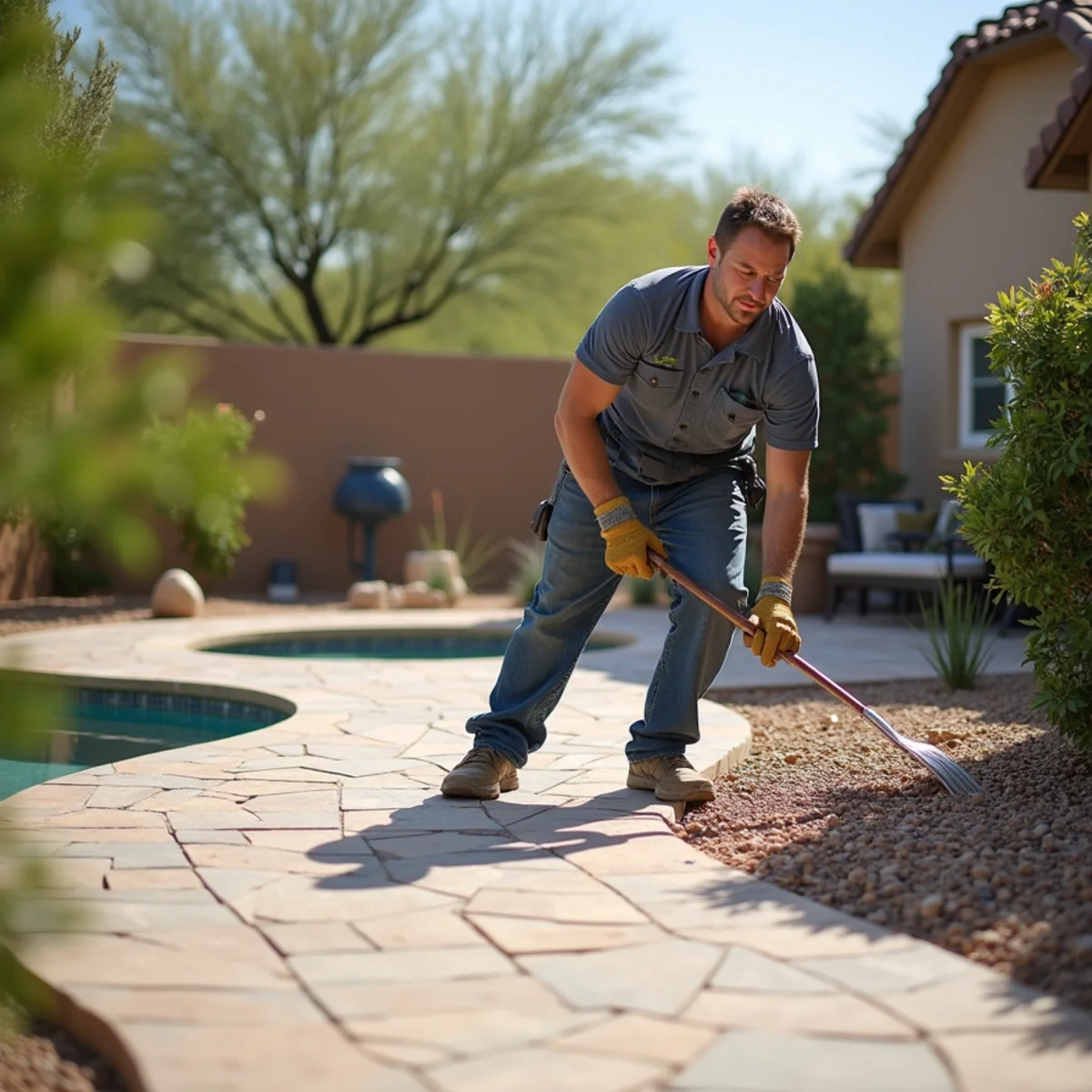
How finish selection, proper sealing, and ongoing maintenance reduce slip-and-fall risk on travertine pool decks and paver plazas at homes and commercial properties.
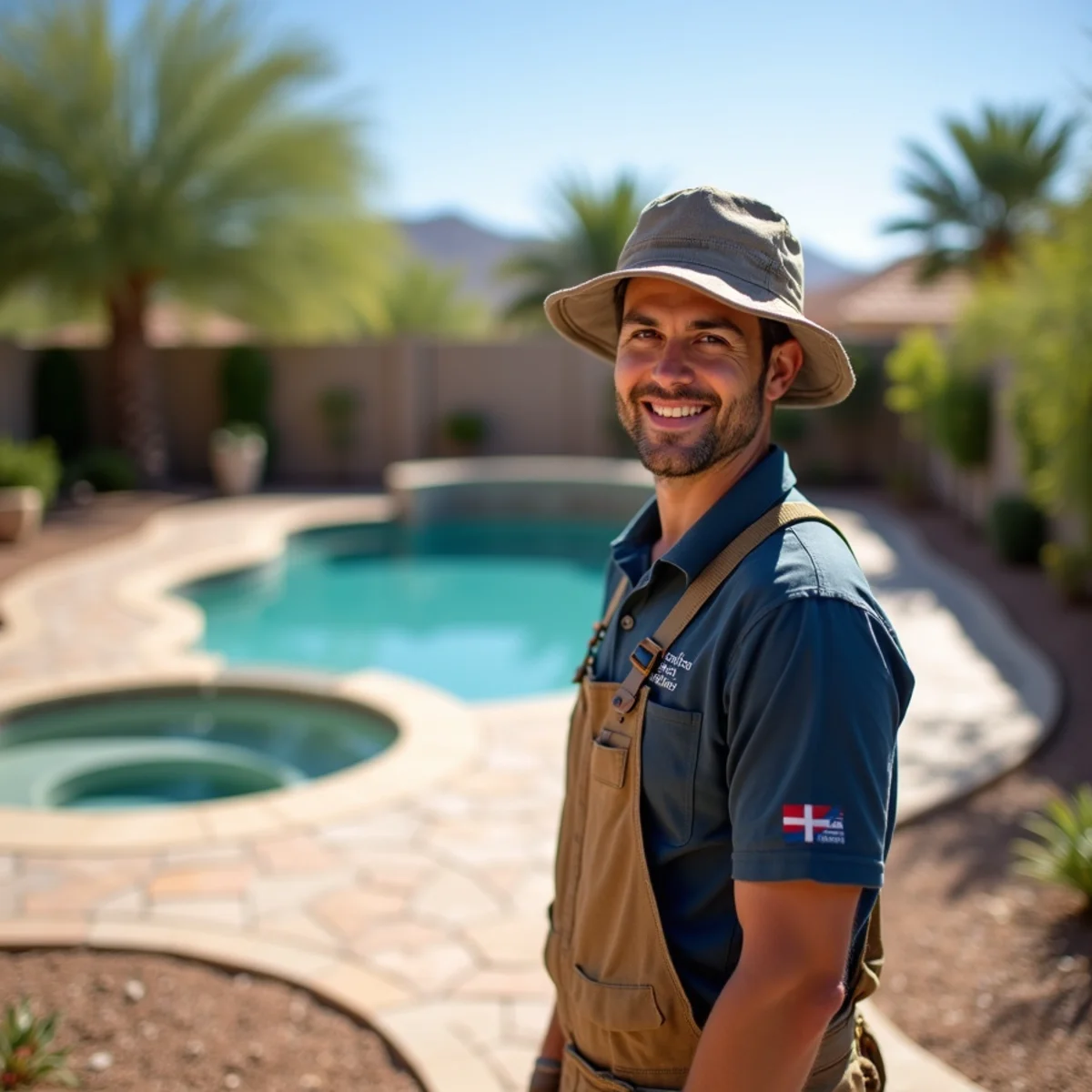
Whether it's a backyard pool deck or a commercial paver plaza in front of a retail center, wet natural stone is one of the more common slip-and-fall risks property owners deal with in Arizona. Travertine pool deck safety in Arizona comes down to a combination of finish selection, correct sealing, and ongoing maintenance — get any one of these wrong, and even a beautiful deck becomes a genuine liability, whether you're a homeowner worried about guests or a property manager thinking about visitor claims.
Why Travertine Is Popular Despite the Slip Concern
Travertine stays noticeably cooler underfoot than most concrete pavers in direct Arizona sun, which is a major reason it's the go-to choice for pool decks throughout Scottsdale and Mesa despite requiring a bit more maintenance attention than some alternatives. The slip risk isn't inherent to the material itself — it's almost entirely a function of surface finish and sealing choices, both of which are controllable at installation and through ongoing maintenance.
Finish Selection: The First Line of Defense
- Tumbled travertine has a naturally textured, matte surface that provides significantly better wet-traction than polished finishes
- Honed travertine has a smooth, flat finish that looks elegant but offers less slip resistance, especially when wet
- Polished travertine, while sometimes used for interior applications, is generally a poor choice for pool decks specifically because of how slick it becomes wet
- For pool decks and commercial walkways specifically, tumbled or brushed finishes are the standard recommendation for slip resistance
If you're replacing or resurfacing an existing pool deck that has a slick, honed or polished finish, this is worth flagging to your contractor upfront — a texture change during resealing or resurfacing can meaningfully improve slip resistance without a full material replacement.
The Role of Sealing
Sealing travertine serves multiple purposes — protecting against staining from pool chemicals, sunscreen, and food or drink spills, and in many products, adding a slip-resistant additive to the sealer itself. Not all sealers are created equal for this purpose, and choosing the wrong type can actually make a surface more slippery, not less, if it creates too glossy a finish.
- Penetrating (impregnating) sealers soak into the stone and protect from within without significantly changing surface texture or gloss
- Topical sealers sit on the surface and can range from matte to high-gloss finishes, with high-gloss options generally reducing slip resistance
- Sealers with a slip-resistant additive mixed in are specifically formulated for pool decks and high-traffic wet areas
- Reapplication frequency varies by product and traffic level, but pool decks typically need resealing more often than covered patio areas due to constant water and chemical exposure
Design and Drainage Factors
Beyond the stone itself, how a deck is designed affects how long water sits on the surface, which directly affects slip risk. A properly sloped deck sheds water toward drains or the pool itself relatively quickly, while a flat or poorly graded deck allows puddles to linger, extending the window of slip risk after every pool use or rain event.
- Confirm the deck has adequate slope (typically a small but consistent grade) directing water away from high-traffic walking paths
- Check that deck drains, if present, aren't clogged with debris that would cause water to pool instead of draining
- Consider textured coping specifically at the pool edge, since this is the area most consistently exposed to standing water
Ongoing Maintenance to Sustain Slip Resistance
- Clean the deck periodically to remove sunscreen buildup, algae, or mineral deposits that can create their own slick film over time
- Reapply sealer on the manufacturer's recommended schedule rather than waiting until visible wear or staining appears
- Address any algae or mildew growth promptly, especially in shaded areas of the deck that stay damp longer
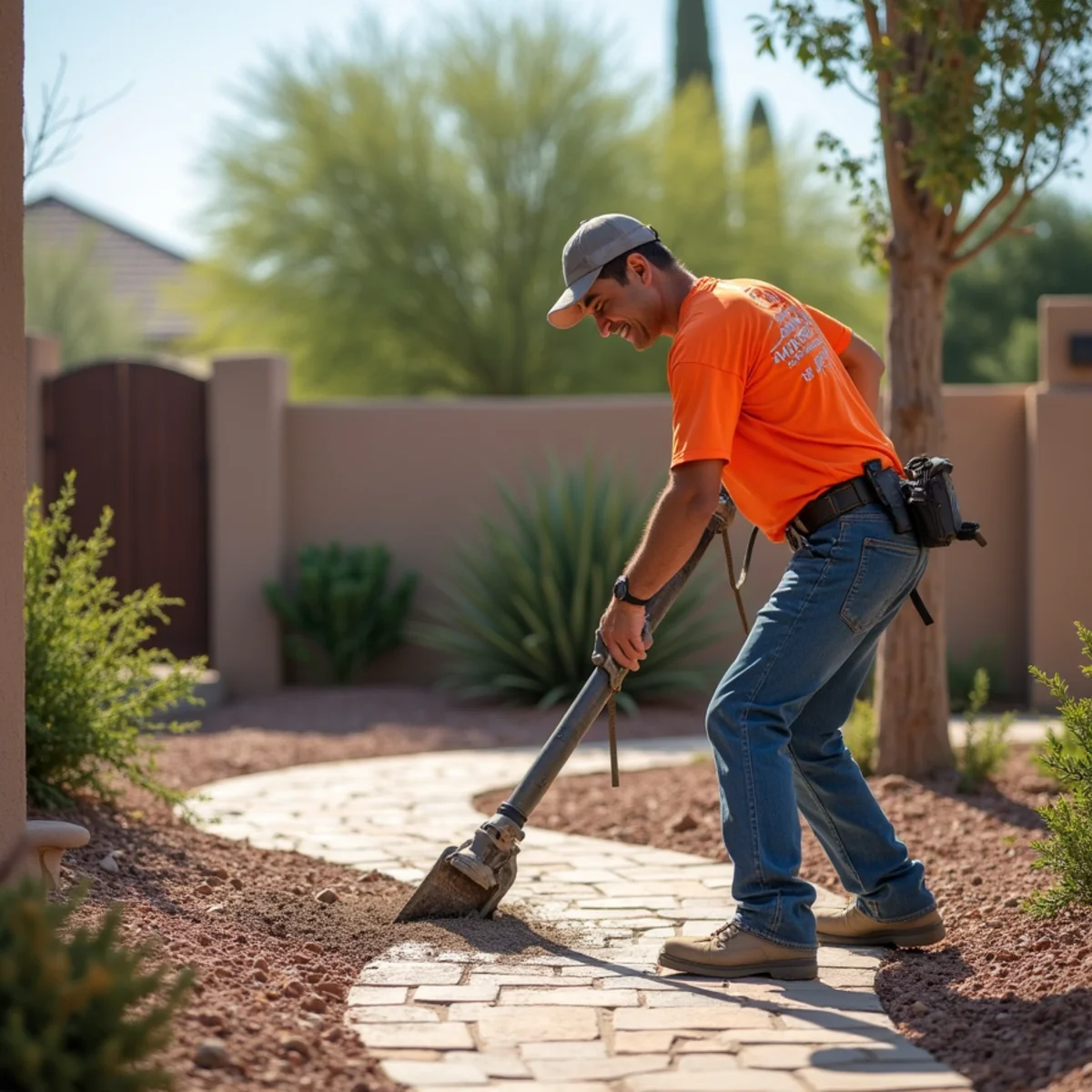
- Inspect for cracked, chipped, or unevenly settled pavers that could create both a trip hazard and a spot where water pools unusually
A slick, green film in shaded or low-traffic corners of a pool deck is often algae or mildew, not just dirt — it needs to be treated directly, since pressure washing alone sometimes just spreads the spores rather than eliminating them.
For Commercial Property Managers
For commercial paver plazas, entrance walkways, and any wet-prone outdoor surface at a retail or business property, slip-and-fall liability is a real and ongoing consideration. A documented maintenance schedule for cleaning and resealing high-risk surfaces, along with prompt attention to any reported slick spots, is a meaningful part of managing that risk — though property managers should also confirm expectations with their insurance carrier and legal counsel regarding maintenance documentation standards for their specific property.
Get Your Deck Assessed for Slip Risk
Whether you're installing a new travertine pool deck or maintaining an existing one, getting the finish, sealing, and drainage right dramatically reduces slip-and-fall risk without sacrificing the look that makes travertine such a popular choice in Arizona. YardGuy4Hire installs and maintains paver patios and travertine decks across Scottsdale and Mesa, for both residential pools and commercial plazas. Call (323) 606-0255 for an assessment or a sealing and maintenance plan.
How YardGuy4Hire can help
Frequently Asked Questions
Is travertine more slippery than concrete pavers when wet?
It depends entirely on the finish. Tumbled or textured travertine performs comparably to textured concrete pavers for wet traction, while honed or polished travertine is noticeably more slippery when wet.
How often should a travertine pool deck be resealed?
It varies by sealer product and how much sun, chemical, and foot traffic exposure the deck gets, but pool decks generally need more frequent resealing than covered or low-traffic areas. Check your specific sealer's manufacturer recommendations.
Can I make an existing slippery pool deck safer without replacing it?
In many cases yes, through a texture-enhancing treatment, a slip-resistant sealer additive, or in some cases a light mechanical texturing process, depending on the current finish and stone condition.
What causes a slick, slightly green film on shaded parts of a pool deck?
This is typically algae or mildew growth in consistently damp, shaded areas. It should be treated directly rather than just rinsed, since surface spores can regrow quickly if not properly addressed.
Are commercial property managers legally responsible for slip hazards on paver plazas?
General liability standards typically expect reasonably prompt attention to known hazards, but specific legal responsibility varies by circumstance and jurisdiction. Property managers should consult their insurance carrier or legal counsel for guidance specific to their property.
Trusted Arizona Resources
For water, drought, plant, and licensing guidance, we point Mesa homeowners to the same authoritative sources we rely on:
Need a hand from a local pro?
YardGuy4Hire is a licensed, insured, family-run crew serving Mesa and the whole Valley. Call for a free, honest estimate.
(323) 606-0255